
This guest post is from Tommy Lim, Philippines Interviews Digitization Project Intern at GBH and the American Archive of Public Broadcasting.
Memory has always been a salient interest of mine. Be it intellectually or personally, I have nurtured an understanding of remembrance as efforts that people undertake to identify what has been to comprehend who they are now. As an intern for the GBH Archives and the American Archive of Public Broadcasting (AAPB), I understood that I acquired the invaluable opportunity to develop my appreciation for memory in a professional context. I also understood that due to the nature of my archival responsibilities – which were primarily to process and revise transcriptions for interviews regarding Philippine coloniality – I was uniquely prepared for this internship as a Filipino immigrant. However, what I did not anticipate was how the topics and activities of my internship became sites of discussion between my mother and I, which resulted in a deepening of my understanding as a Filipino.
I immigrated to the United States when I was five. Despite my departure from the Philippines, it felt in many ways that I never left, at least not completely. My father made the rule that while my brothers and I could speak English to others, Tagalog was the only acceptable language when we spoke to family. As the youngest, I was the least equipped to understand my father’s well-intended albeit heavy-handed approach to holding on to a Filipino identity in the face of cultural assimilation. Of his kids, I knew the least Philippine history, understood and spoke the least Tagalog, and felt the least connected to our relatives back home. The disparity between my knowledge and experience of Philippine culture and my brothers’ became more prominent over time. This became a source of insecurity for me.
“What memories do my siblings have about the Philippines that I do not?”
“Does my incomplete recollection of life before the States bear implications for my completeness as a person?”
“Are there aspects of my parents’ dispositions that I can only comprehend had we never left?”
I cannot say that these questions were answered through my internship experience. However, my time with GBH assuaged the anxiety that these questions represented. This process of resolving my insecurities occurred at the dinner counter, where my mother and I discussed how my internship was going.
“Did you know I was there that day, at Malacañang Palace?”
“What was your impression of Imelda Marcos? Do you remember how I would call you by her name?”
“You don’t know the meaning of that word? Are you going to pay me for helping you?” (this final question she said in a joking manner)
Much of the questions I carried to the internship were replaced by my mother’s questions – earnest expressions of curiosity and amusement that motivated me to fulfill my archival responsibilities and deepened my self-understanding. Little talks with my mother recreated early memories of coming home from school to tell her what I had learned. They also reminded my mother of even earlier times: of life prior to the States, life as a dancer, life before. I understood then that my work was a labor of memory. I helped recover my mother’s pasts. I also had the honor of being there to witness it.
At the heart of my pursuit for library and archival work is my belief that the labor required of both fields has the potential to center memory in impactful ways. My internship experience at GBH gave substance to this belief. Hours poured into watching and cataloging people discussing the history of my home country confronted me with my mother’s memories, my own. I immigrated to the United States when I was five. My remembrance of life before is fragmented at best. Just like this past, my time at this internship will become memory. I will feel all the more whole for it.
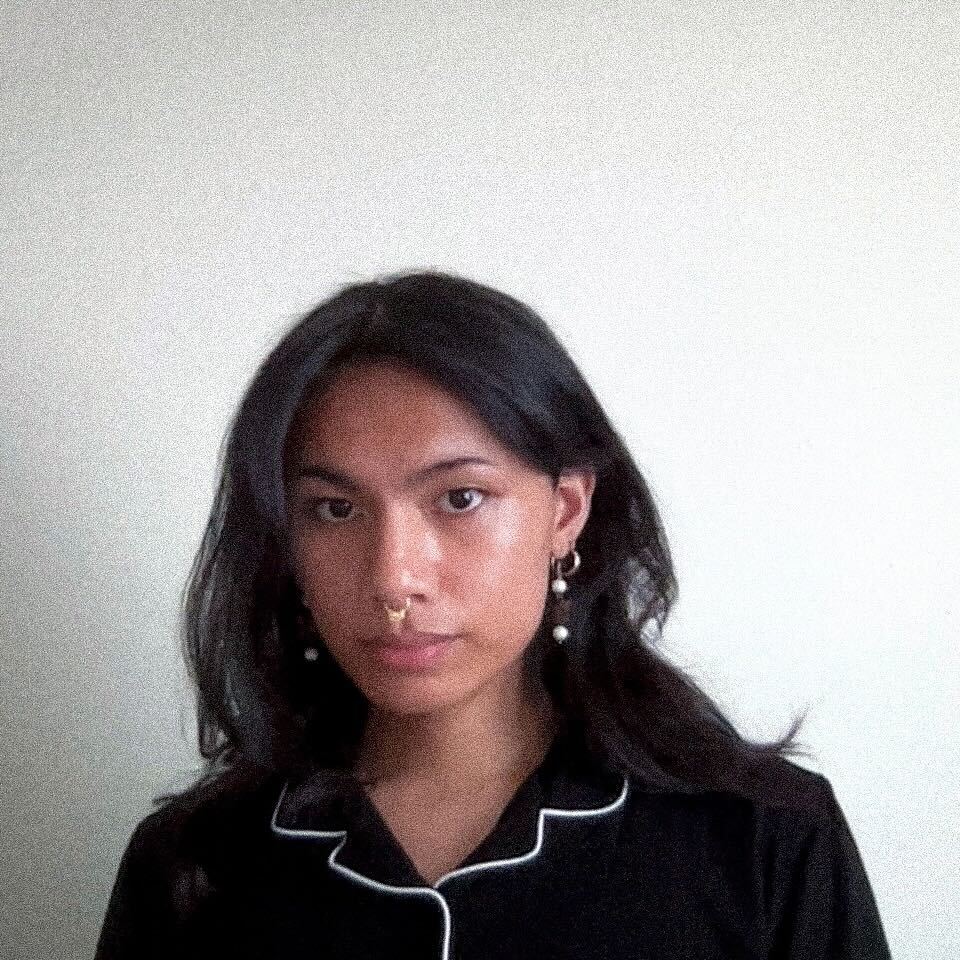
Tommy Lim is a graduate student at the University of Texas at Austin pursuing graduate degrees in information studies and women’s and gender studies. They obtained undergraduate degrees in linguistics and religious studies, and this carries into their graduate research focus in the way that ritualized language and religio-spirituality appear in genderqueer folks’ tarot practices to archive and facilitate identity formation. Tommy’s archival interests led them to their internship at GBH, where they looked forward to observing the imbrications of preservation, cultural identity, and coloniality.

 blog.americanarchive.org